
Quick Track Registration
New registration? Click here to start a fresh application.
Welcome to Workers Welfare Board Sindh
Workers Welfare Board Sindh (WWBS) serves as a dedicated welfare institution working under the Labour & Human Resources Department, Government of Sindh. The Board focuses on the social and economic uplift of industrial workers by providing a wide range of welfare services and support schemes.
For decades, the Board has played a vital role in supporting workers employed in factories, mines, and registered industrial establishments across Sindh. Through transparent policies and worker-focused initiatives, we strive to improve education, housing, healthcare access, and financial assistance for deserving workers and their dependents.
Our goal is to build a stronger and more secure future for workers who contribute tirelessly to the industrial growth of Sindh.
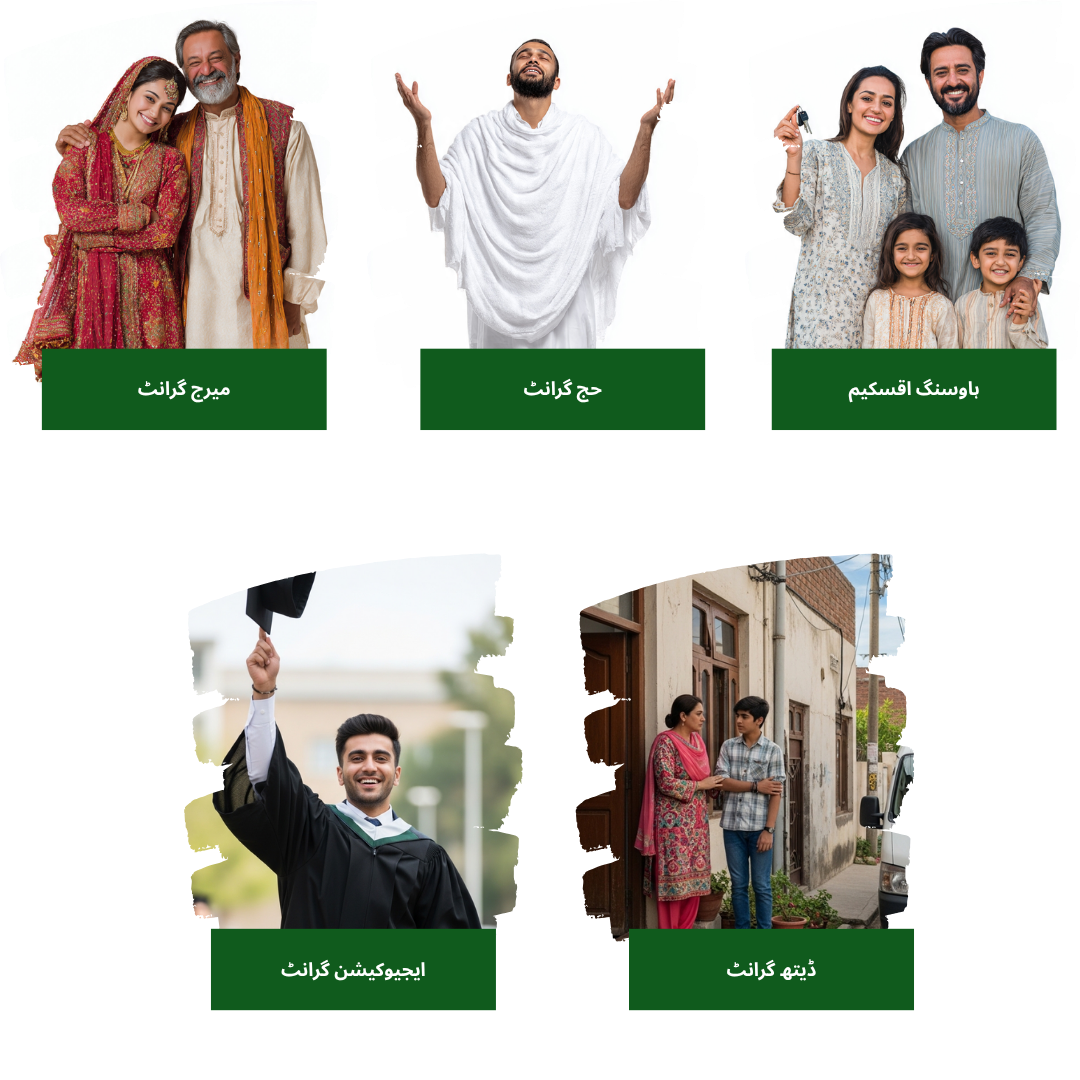
Our Main Welfare Schemes
Housing Scheme
The Housing Scheme offers industrial workers opportunities to obtain residential flats, houses, plots, and commercial shops through approved allotment policies. The initiative is designed to provide affordable housing facilities to eligible workers employed in registered industrial establishments. Applicants must fulfill eligibility conditions including employment duration, registration requirements, and family status criteria.
Marriage Grant Scheme
The Marriage Grant Scheme provides financial support for the marriage of daughters of industrial workers and eligible female workers themselves. This initiative assists workers in managing wedding-related expenses while ensuring dignity and social support for deserving families. Applicants are required to submit marriage registration documents and verification certificates as per Board policy.
Scholarship Scheme
The Scholarship Scheme provides financial assistance to the children of registered industrial workers pursuing education from intermediate to higher education levels. The scheme supports students enrolled in colleges, universities, engineering institutions, medical colleges, and other recognized educational institutes. Students who meet eligibility criteria based on academic performance and attendance may apply for educational scholarships under various categories. The program aims to encourage higher education among workers’ families and reduce financial barriers to learning.
Death Grant
The Death Grant Scheme provides financial assistance to the legal heirs of deceased industrial workers. This support helps families cope with sudden financial hardship following the death of a worker. Eligible legal heirs may apply by submitting the required documents including death certificates, succession documents, and registration records. The scheme reflects the Board’s commitment to protecting workers’ families during difficult times.
Hajj Scheme
The Hajj Scheme enables eligible industrial workers to perform Hajj through financial assistance and facilitation provided by Workers Welfare Board Sindh. The scheme is designed for registered workers who meet age, service, and registration requirements. Priority is given according to approved policy criteria to ensure fairness and transparency.
Why Choose WWBS?
- Transparent Welfare Policies
- Worker-Centric Services
- Educational & Financial Assistance
- Housing Opportunities
- Social Security Support
- Regional Offices Across Sindh
- Government-Supported Welfare Programs
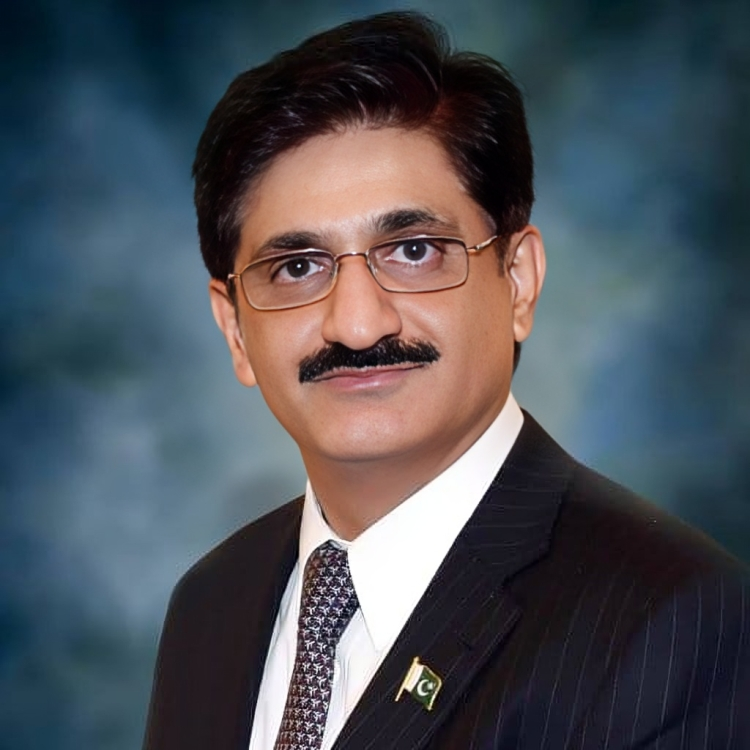
Chairperson Of Sindh Board Of Workers Welfare

Murad Ali Shah
Chief Minister Of Sindh

Saeed Ghani
Minister For Labour & Resources

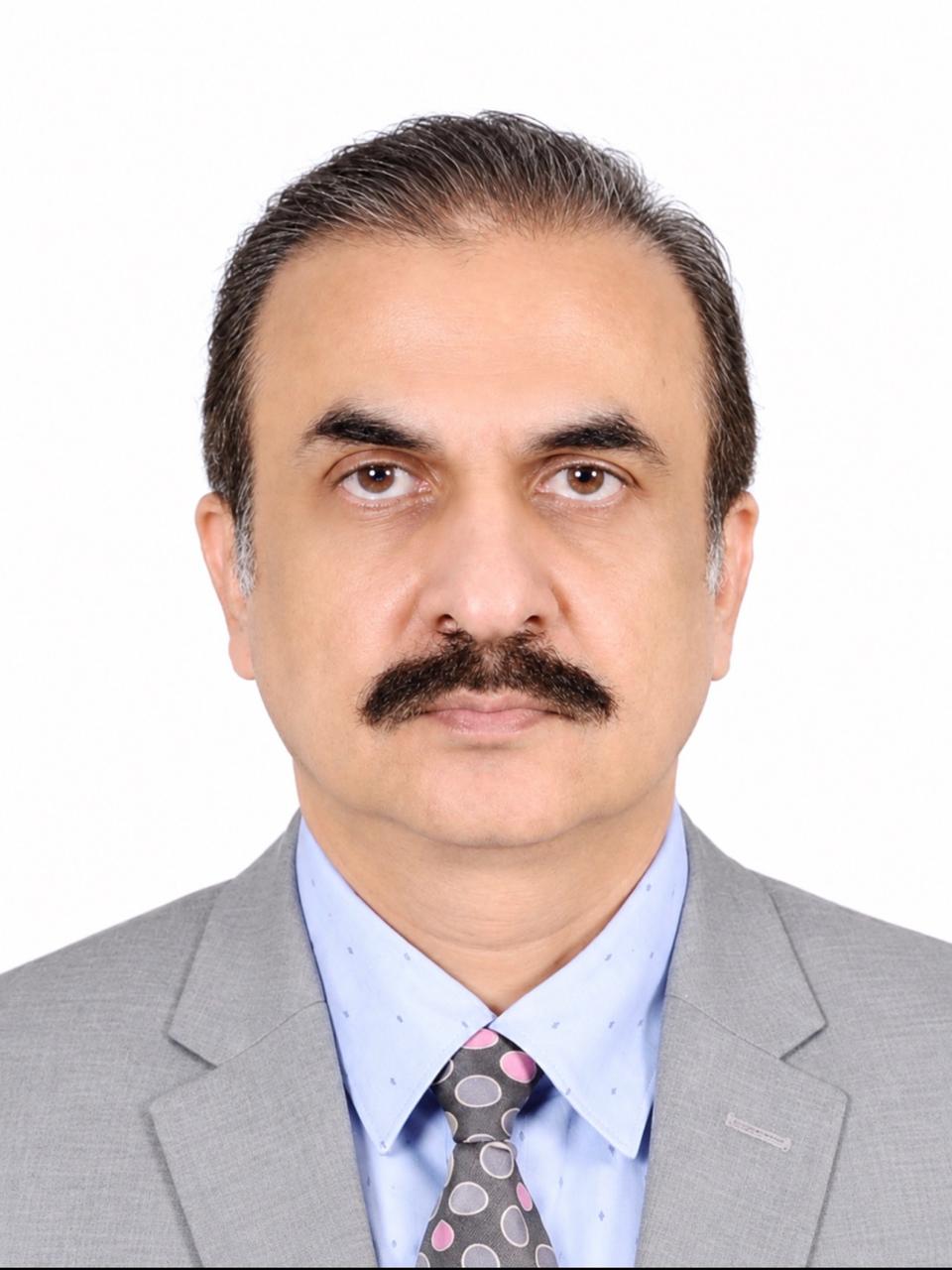
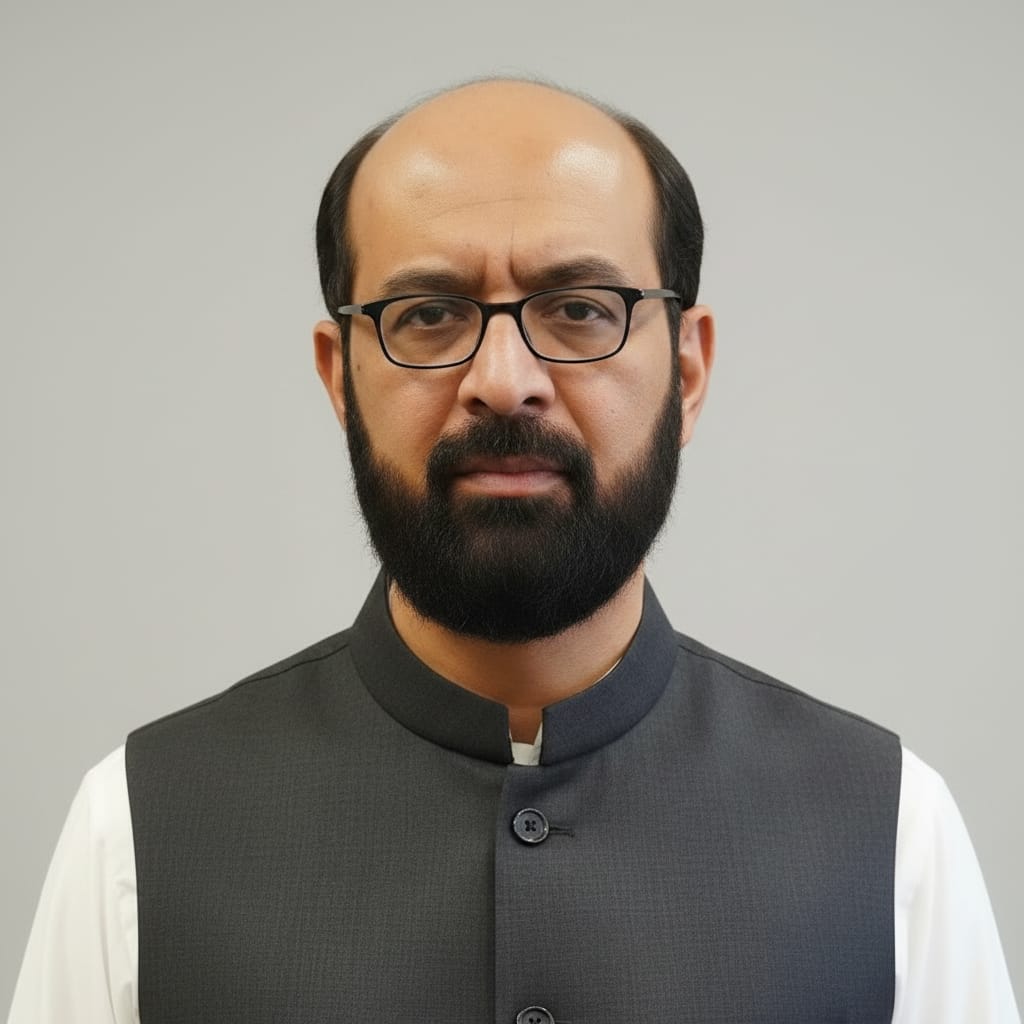
Saeed Saleh Jumani
Secratory WWBS
WORKERS WELFARE BOARD SINDH (WWBS)
About WWBS
The Workers Welfare Board Sindh (WWBS) is a legal entity established in accordance with the Workers Welfare Fund Sindh Act of 2014 post the 18th Constitutional Amendment. Formerly, the Board functioned under the Workers Welfare Fund Ordinance of 1971 by the Federal Government. Its primary goal is to improve the welfare and well-being of industrial laborers and their families.
The WWB Sindh engages in a variety of programs, including providing financial aid (grants for marriage, death, and scholarships), delivering complimentary educational services, and executing housing projects for enrolled workers and their dependents, all aimed at advancing their socio-economic well-being and development.